

[25:52 Minutes]
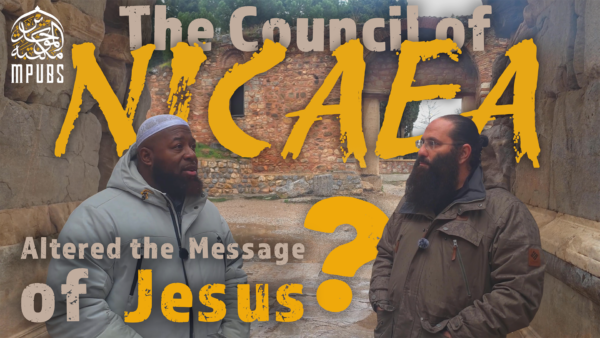
Our Shaykh Abū Ḥakīm Bilal Davis and Abu Zaynab Yusuf Diab were on site at Nicaea (modern İznik, Turkey) where they had a casual discussion around the historical event known as the council of Nicaea which occurred in 325 AD. Shaykh Abū Ḥakīm speaks at length about the truth of what occurred with the so-called “Cruci-fiction” of ʿĪsā ibn Maryam who the modern Christians call Jesus (peace be upon him). Then the discussion progressed to the central issue revolving around the dispute about Jesus’ nature. The core dispute occurred between those who followed the original teachings of Jesus and his disciples versus the ones who deviated from those beliefs, who declared Jesus as divine, establishing a divergent and now dominant doctrine that shaped Christianity and world history.
Context & Setting
- Filmed at Nicaea (modern İznik, Turkey)
- Focus: Council of Nicaea (325 AD)
- Central theme:
- How this event changed and deviated the pure teachings of Jesus into modern Christianity
Core Question of the Discussion
-
The entire debate revolves around: “Who is Jesus?”
Early Christian Division
- Christianity was not unified
- Two main competing beliefs:
Arian View (Arius)
- Jesus is not God
- Jesus is created
- Not divine
- God alone is one true deity
Opposing / Emerging Orthodox View
- Jesus is divine
- Son of God
- Part of the Godhead
The Eventual Result:
- Theological conflict
- Social unrest
- Violence
Role of Emperor Constantine
- Called the council to:
- Unify the Roman Empire religiously
- Gathered:
- 300+ bishops
- Function of the council:
- Decide which belief becomes official doctrine
Outcome of the Council
- Declared Jesus:
- “Light from Light”
- Begotten, not made
- Same essence as God
- This became the foundation of the Trinity
⚠️ Note:
- Trinity was not fully developed yet
- Fully formalized later (381 AD)
The Aftermath & Enforcement
- Opposing beliefs (especially Arianism):
- Declared heretical
- The Followers of Those Opposed to The Pauline Beliefs:
- Exiled
- Persecuted
- Killed
- Alternative Christian views were:
- Gradually suppressed and eliminated
Diversity of Early Christianity
- Multiple early beliefs of the followers of Jesus existed:
- Jesus = God
- Jesus = Son of God
- Jesus = Prophet (not divine)
The non-divine view:
- Declined rapidly
- Was heavily persecuted
Development of Christianity After Nicaea
- Additional councils followed
- Council of Constantinople (381 AD):
- Trinity fully established
- Christianity became:
- Institutionalized under Roman authority
- Later, under imperial authority:
- Non-Trinitarian believers were targeted and killed
- Theodosian Creed institutionalized outlawing all versions of christinaity opposing the trinity
Islamic Perspective Presented
- Early message of Jesus:
- Pure monotheism
- Worship of one God alone
- Some early Christians:
- Held beliefs similar to this
- Islam later:
- Restored original monotheism
- Reaffirmed:
- Worship of One God
- Jesus as a messenger, not divine
Religious & Scriptural Alterations
- Christianity changed from the original teaching of Jesus
- Religious texts were:
- Altered
- Misinterpreted over time
- Religious texts were:
- Religious authority:
- Controlled by clergy (priests/rabbis)
Historical Impact of The Council of Nicaea
- Council of Nicaea:
- Defined mainstream Christian doctrine
- Linked religion with political power
- Influenced:
- Theology
- Governance
- Global religious history
Conclussion of Discussion
- Nicaea was a turning point
- It:
- Standardized a corrupt and deviant belief about Jesus
- Suppressed alternative views that were based on teaching closer to the true teaching of Jesus
- Shaped the future of Modern Christianity


 We at Muwahhideen Publications are an Islaamic Organization founded in the Caribbean Island of Tobago, Trinidad &Tobago and dedicated to propagating the pure Islaamic creed, based on the correct and authentic teachings of the Qur'aan and the authentic Sunnah, according to the understanding of the pious predecessors i.e. the first three generations of Islaam and those who follow their way until the day of judgement.

You must be logged in to post a comment.